Workflow Map
We document the roles, handoffs, approvals, exceptions, and reports before choosing the build path.
Plan thisPatient operations, compliance-aware workflows, multi-clinic dashboards leadership can act on.
AorBorC starts with the operating model, then chooses the right mix of Creator, Zia AI, ERP, portals, integrations, and dashboards.
Zoho Creator, Zia AI, ERP, automation, portals, integrations, and reporting shaped around this operating context.
Each build starts with the workflow, not the software label.
We document the roles, handoffs, approvals, exceptions, and reports before choosing the build path.
Plan thisZoho Creator, Zia AI, ERP, portals, integrations, and dashboards are selected only when they fit the workflow.
Plan thisAfter launch, we keep ownership clear with documentation, change control, fixes, and planned improvement cycles.
Plan thisServices that typically connect to this industry, including Odoo where the work has an ERP, inventory, finance, or operations backbone.
A few matching projects, with sensitive details protected where needed.
US Senior-Care Community Network
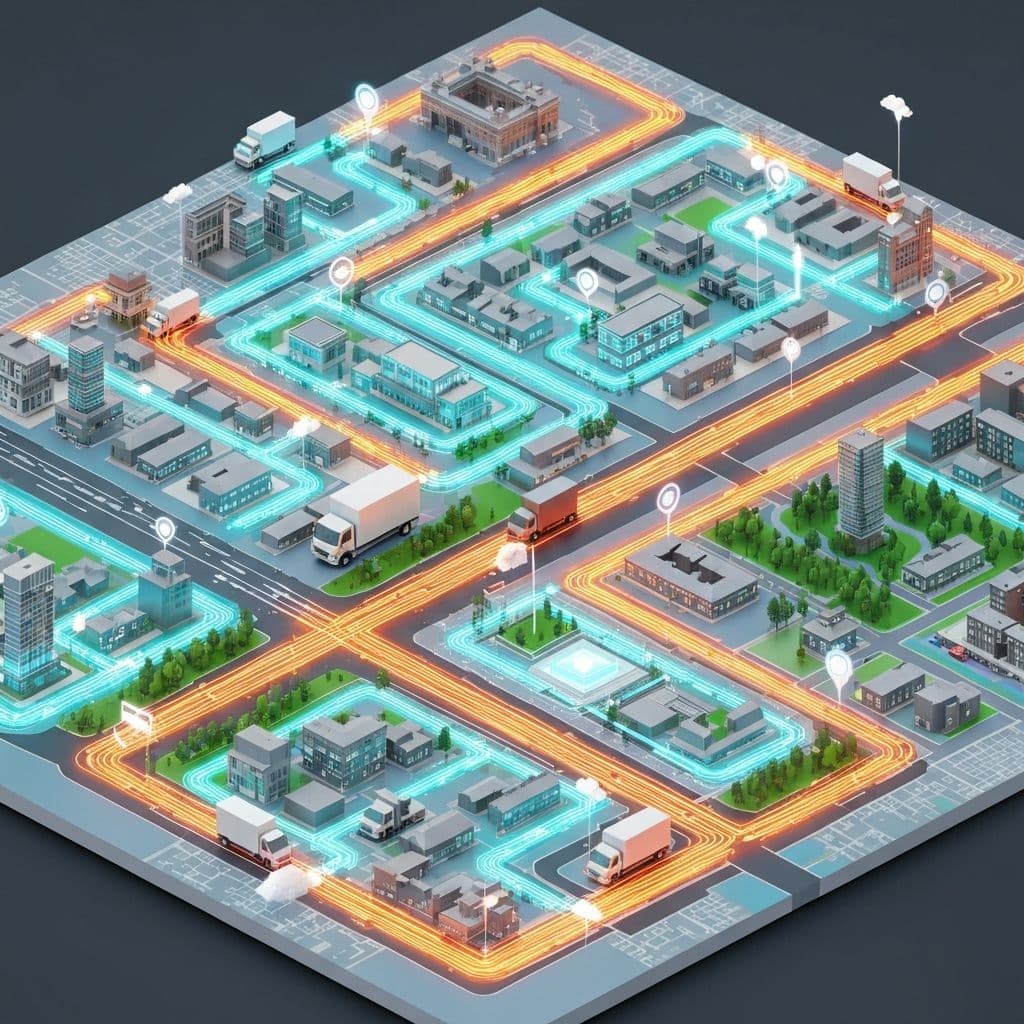
A US senior-care community partner needed an app that elderly patients could actually use - secure, simple, multilingual, and tightly connected to clinicians. We built a Zoho Creator-powered mobile app with OTP-only authentication, support for English, Chinese, Korean, Spanish, and Russian, and a clean communicator tab structured around how patients actually feel: "I Have Pain" (with a body-diagram pain marker), "I Need", "I Feel", "I Want to See". Self-reporting modules capture falls, ER visits, and hospitalisations. A "My Community" layer plugs in local events, internal YouTube resources, community chat, and announcements. An assessment engine scores patient responses so clinicians can triage quickly. The result: patients feel connected; clinicians get cleaner, faster data.
Read case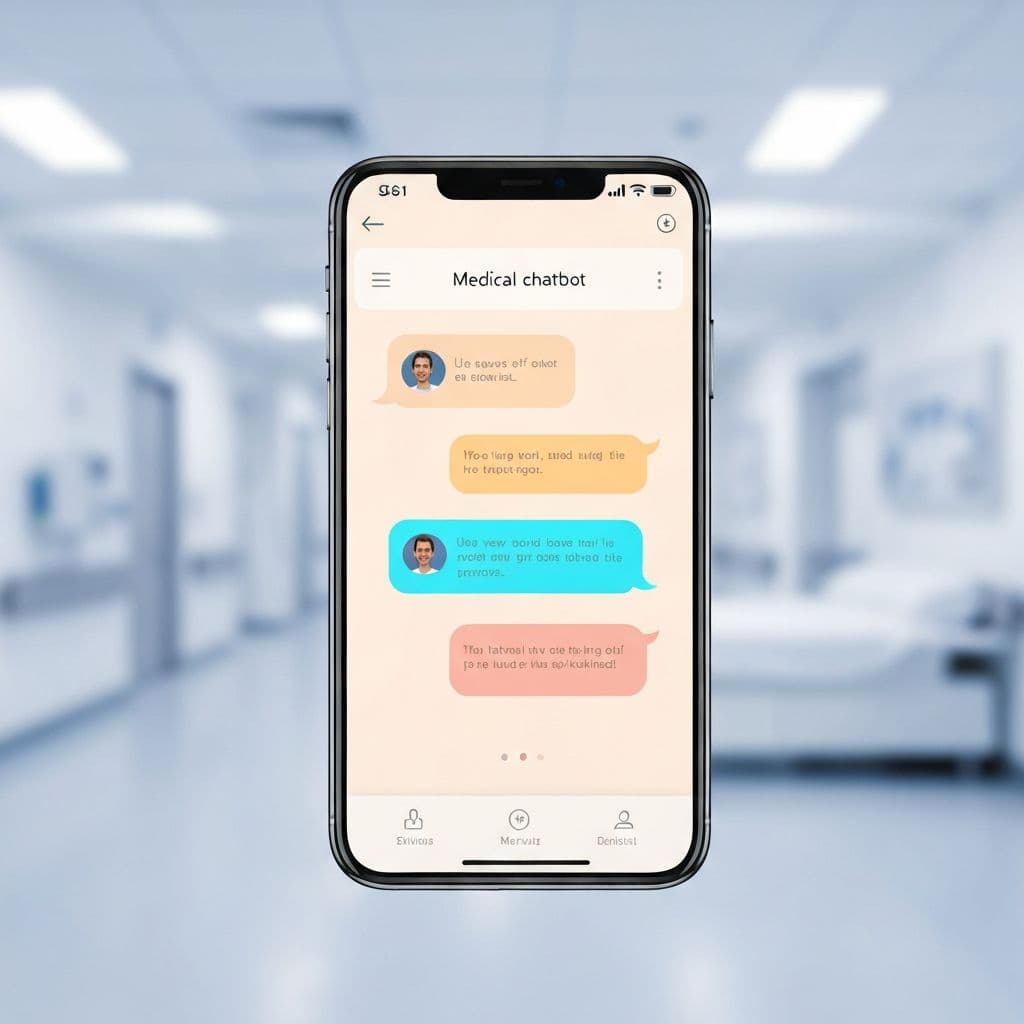
HealthFlow
A US senior-care network was triaging incoming patient calls the way most clinics still do - a human at a front desk, an Excel sheet, and a printed escalation tree on the wall. Urgent cases sometimes waited; routine cases sometimes got prioritised. They wanted an AI assistant that could listen to the symptoms a patient described in plain English, ask a few clarifying follow-ups, score urgency against the clinic''s own protocol, and surface a recommended next step (book GP, refer to specialist, send to ED) to the front-desk nurse for confirmation. We built it on a fine-tuned Llama-2 reasoning layer wrapped in a strict guardrail policy: the model never tells the patient a diagnosis, never overrides a clinician, and always defers to a human on the borderline cases. Every interaction is logged with the model''s confidence so the medical director can audit, retrain, and tighten the protocol.
Read case