Scalability in ERP systems ensures your business can grow without disruptions. If your ERP can’t handle increasing data, users, or complexity, it slows down operations and creates inefficiencies. Here’s what you need to know:
- Scalability means your ERP can handle more users, transactions, and data without performance issues or major changes.
- Growth requires ERP systems to manage new modules, locations, or integrations with tools like e-commerce or logistics software.
- Common problems with non-scalable ERPs include slow performance, rigid systems, and escalating customization costs.
Key Solutions:
- Modular Platforms: Use systems with independent components for easier updates and expansions.
- Cloud Infrastructure: Enables on-demand resource scaling and better performance during peak times.
- Expert Partnerships: Work with experienced ERP providers for tailored advice and support.
By focusing on modular design, cloud-based setups, and strategic planning, businesses can avoid costly overhauls and ensure their ERP supports long-term growth.
Common ERP Scalability Problems
When businesses outgrow their ERP systems, the warning signs are hard to miss. A system that once ran seamlessly can start to falter, leading to inefficiencies that disrupt day-to-day operations. These issues don’t appear overnight – they build gradually as your business expands, making it easy to overlook them until they’ve become significant obstacles.
Recognizing these common problems can help businesses identify when their ERP system is nearing its limits. Acting early can prevent minor inconveniences from snowballing into major disruptions. Let’s dive into some of the key challenges businesses face when their ERP system struggles to keep up.
Performance Issues with Increased Data and Users
One of the first indicators of ERP scalability problems is a noticeable slowdown in system performance. As your business handles more transactions and accumulates more data, your ERP system can start to lag. This decline in speed can directly hinder your ability to grow.
For example, database queries that once took seconds might now take several minutes. Routine financial reports that used to generate overnight could stretch into the next day. These delays don’t just waste time – they can create bottlenecks that ripple across your operations.
Peak periods, like end-of-month reporting or seasonal sales surges, often expose the system’s memory and processing limits. Businesses may even resort to running critical tasks during off-hours just to avoid crashes or timeouts.
This slowdown impacts employees too. Waiting for screens to load or searching for customer records becomes a frustrating experience, reducing productivity and morale. Tasks that should be quick and simple turn into time-consuming challenges, leaving staff less time for meaningful work.
Rigid Systems That Stifle Growth
ERP systems often become less adaptable over time, especially when they’ve been customized heavily without future growth in mind. This rigidity can make scaling your business a daunting task.
Expanding to new locations or adding business units, for instance, can turn into a logistical nightmare. The system might struggle to handle different tax rules, currencies, or compliance requirements. What should be a simple configuration update can balloon into a months-long project involving custom coding and extensive testing.
Integration hurdles are another headache. An inflexible ERP system may lack the APIs or connection points needed to link with modern tools and technologies. This forces businesses to rely on manual data transfers or costly custom integrations, slowing down operations and creating inefficiencies.
When markets shift or new regulations emerge, businesses with rigid ERP systems often find themselves playing catch-up. Competitors with more adaptable systems can respond quickly, leaving less agile businesses at a disadvantage.
Escalating Costs of Scaling Customizations
Scaling an ERP system often comes with a price tag that grows faster than anticipated, putting pressure on budgets and other business priorities. These costs tend to pile up from multiple angles.
For one, development costs can skyrocket. Adding new features to a heavily customized system means developers must navigate and work around existing modifications, which takes time and expertise. Maintenance costs also climb as the system becomes more complex, with testing and quality assurance efforts expanding for every new customization.
Vendor dependency can add to the expense. Businesses often find themselves reliant on specific developers or consultants who are familiar with their customized system. Training costs rise as well, with new hires requiring more time to learn the intricacies of the system and existing employees needing ongoing education to keep up with changes.
These mounting costs underscore the importance of having an ERP system that can scale efficiently without breaking the bank.
Main Factors That Affect ERP Scalability
When it comes to ensuring your ERP system can grow with your business, a few key factors stand out. These elements play a major role in determining how well your system adapts to evolving needs and supports long-term growth. The good news? By addressing these early – during selection or customization – you can save yourself from costly overhauls down the road.
System Flexibility and Modular Structure
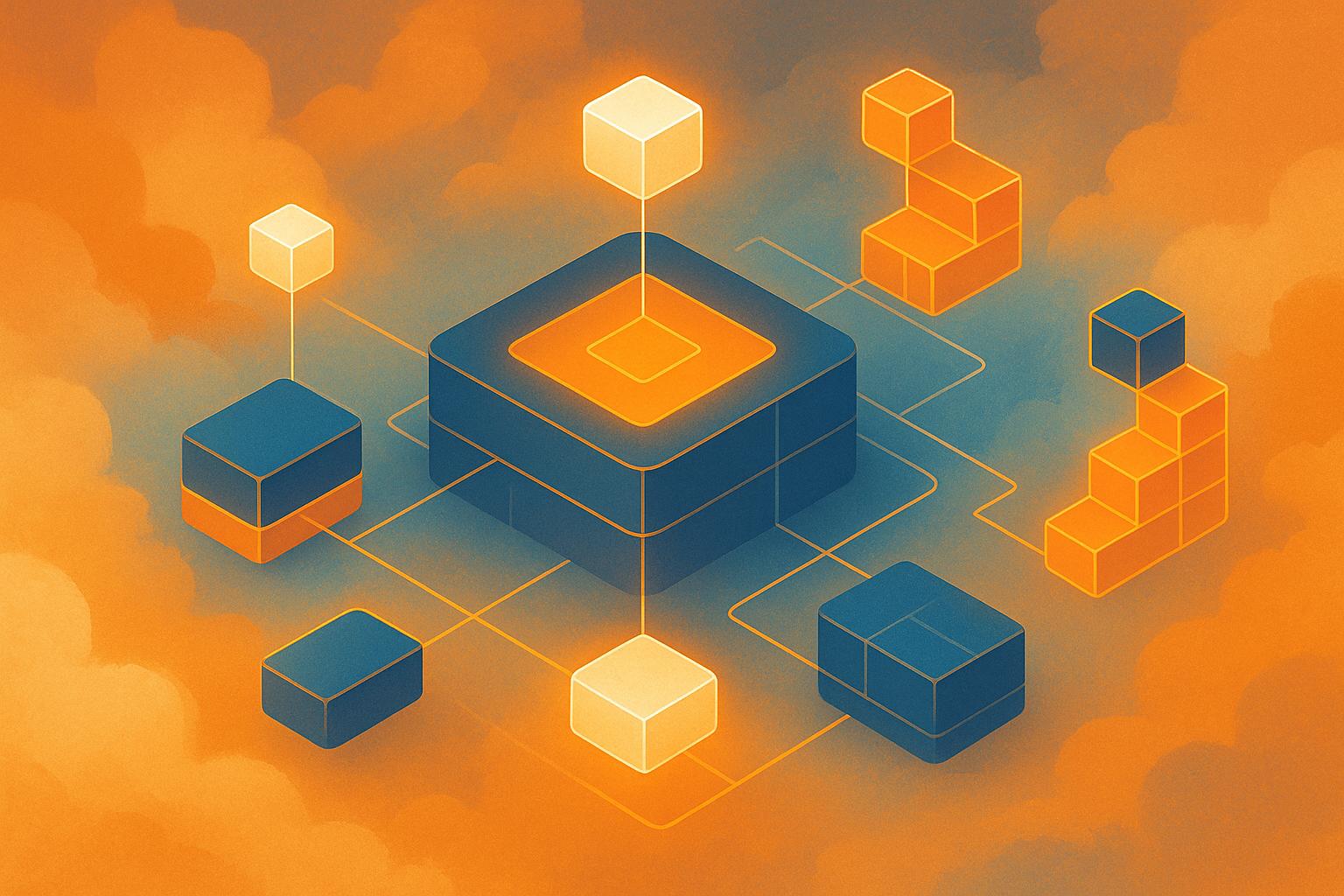
The architecture of an ERP system is at the heart of its scalability. Systems with a modular structure divide functionality into separate, interconnected components. This design allows you to tweak, add, or remove features without disrupting the entire system.
For example, if you’re planning to add e-commerce capabilities, a modular ERP lets you integrate a commerce module without reworking your inventory system. Expanding internationally and need to manage multiple currencies? A well-designed modular system can handle this through configuration instead of custom coding. This approach not only saves time but also reduces the risk of introducing bugs.
Flexibility extends beyond functionality to the user experience. Many modern ERP systems offer role-based dashboards, giving users tailored views while relying on the same data and processes. This ensures both efficiency and adaptability as your business evolves.
Infrastructure and Database Capacity
The backbone of ERP scalability is the infrastructure it runs on. A poorly designed database can quickly become a bottleneck as your data grows. To avoid this, focus on systems with strong database design and the ability to handle increasing volumes of data without lag.
Scalability often involves horizontal scaling, which distributes workloads across multiple servers. This is typically more cost-effective and flexible than upgrading a single server’s capacity (known as vertical scaling).
Efficient memory management is another critical factor. Systems that cache frequently accessed data and allocate memory wisely can maintain smooth performance, even as user numbers and data volumes rise. Additionally, advanced storage architecture – such as tiered storage – helps control costs. It does this by moving less frequently accessed data to lower-cost storage while keeping active data on high-performance drives.
Cloud-based ERP systems often shine here by offering automated scaling. They can allocate extra resources during peak usage periods and scale back during slower times, balancing performance and cost.
Integration Options for Future Needs
No business operates in isolation, and your ERP system needs to work seamlessly with other tools. That’s why integration capabilities are essential for scalability. Systems with an API-first design can easily connect with other software, from marketing tools to industry-specific applications.
To avoid data silos, look for systems with real-time data synchronization. This ensures your CRM, ERP, and e-commerce platforms can share information without manual data entry or reconciliation – a must as transaction volumes increase.
Another key feature is webhook support, which allows your ERP to trigger actions in other systems automatically, streamlining workflows. ERP systems that use standard data formats like REST APIs, JSON, or OAuth make it easier to integrate with third-party tools, ensuring flexibility as your needs evolve.
A scalable ERP also anticipates future trends. For instance, support for mobile apps, IoT devices, and AI tools can help your business stay competitive as technology advances. Integration frameworks should also handle batch processing and include robust error management to keep everything running smoothly.
sbb-itb-058cafb
Solutions for Building Scalable ERP Systems
Understanding what impacts scalability is just the beginning. The real task lies in applying practical strategies to ensure your ERP system can keep pace with your business growth. Here’s how you can make that happen by focusing on smart architecture, modern infrastructure, and expert partnerships.
Using Modular and Configurable Platforms
The foundation of a scalable ERP system is a modular, configurable platform. Modular platforms break down complex processes into independent components, making it easier to update, upgrade, or replace specific parts without disrupting the entire system. This flexibility is key as your business evolves.
Opt for ERP platforms that prioritize configuration over customization. Configuration involves tweaking existing features using settings and parameters, while customization requires writing new code. Configured systems are simpler to maintain and scale because they operate within the platform’s established framework.
A component-based design also allows you to add new modules – like advanced analytics, multi-currency support, or supply chain tools – without causing systemwide interruptions. These modules work independently but share data through standardized interfaces, ensuring seamless integration.
Platforms with workflow automation tools, such as visual process designers, are especially useful. They let business users create or update workflows without needing technical expertise, speeding up changes as your needs shift. This means you can adapt processes quickly without waiting for lengthy development cycles.
Don’t overlook version control features. Systems that track configuration changes and allow rollbacks provide a safety net, minimizing risks when introducing new features. This gives you the confidence to experiment and expand without jeopardizing system stability.
Moving to Cloud-Based Infrastructure
Once you’ve established a modular platform, the next step is leveraging cloud infrastructure. Cloud-based systems offer auto-scaling, which adjusts computing resources automatically based on demand. This ensures optimal performance during busy periods while keeping costs in check during slower times.
For businesses operating in multiple regions, cloud platforms enable multi-region deployment. This reduces latency for users in different locations by replicating data across multiple data centers. It also strengthens disaster recovery capabilities and helps meet compliance requirements in various jurisdictions.
Cloud environments often use a microservices architecture, allowing different ERP components to scale independently. For instance, if your inventory management module sees a spike in activity, the system can allocate extra resources to it without overloading other parts of the ERP.
Another advantage of cloud platforms is continuous deployment. Instead of waiting for disruptive, large-scale upgrades, you can roll out frequent updates and improvements without downtime. This keeps your ERP system evolving in real-time alongside your business.
Working with Experienced ERP Providers
Even with the right architecture and infrastructure, expert guidance is essential for long-term success. Partnering with experienced ERP providers can help you avoid costly mistakes and navigate the complexities of scaling.
Specialists like AorBorC Technologies bring industry-specific insights and a deep understanding of growth patterns across businesses of all sizes. They can guide you in making architectural decisions that support sustainable growth and help integrate your ERP with other business tools.
Ongoing support is another critical factor. As your business grows, you’ll need advice on optimizing performance, adding features, and maintaining system health. Providers like AorBorC Technologies offer continuous support to ensure your ERP system continues to meet your evolving needs.
Knowledge transfer is equally important. A good provider doesn’t just implement the system – they train your team to manage and optimize it independently. This reduces long-term dependency and equips your internal team to handle routine scaling needs.
When standard configurations no longer suffice, experienced providers skilled in technologies like Zoho Creator, PHP, and Node.js can extend your ERP’s capabilities without compromising reliability.
Ultimately, the right provider sees ERP implementation as a partnership, not a one-off project. They’ll understand your industry, anticipate your growth, and have the technical expertise to handle complex integrations and customizations as your needs change. This kind of partnership ensures your ERP system grows seamlessly with your business.
Building Scalable ERP Customizations
Creating an ERP system that can grow alongside your business isn’t just about picking the right technology – it’s about making thoughtful decisions from the very start. The difference between a system that adapts smoothly over time and one that becomes a roadblock often lies in how well you plan your customization strategy.
Scalability should be your foundation. With 37% of organizations opting for significant customization during ERP implementation[1], the ones that succeed are those that design with future growth in mind. This means looking beyond immediate needs and considering how your business might evolve over the next five to ten years. Thoughtful planning today lays the groundwork for adaptable and sustainable customizations.
While modular design has been highlighted earlier, this approach focuses on prioritizing configuration over custom coding. By taking advantage of the ERP system’s built-in flexibility, you can address your needs without altering its core code – making the system easier to maintain, upgrade, and expand. Save custom development for truly unique needs that configuration alone can’t address.
Here are some essential guidelines to ensure your ERP customizations remain scalable.
Key Points for Business Leaders
A sound ERP customization strategy starts with engaging the right stakeholders early. Get department heads, power users, and IT leaders involved from the beginning to ensure customizations align with workflows and avoid costly missteps later.
Define your requirements clearly. Conduct thorough needs assessments and gap analyses to identify both current and future needs. Be specific about the system’s functionalities, the number of users it must support, and the anticipated data volume.
Choose customization partners who do more than just implement ERP solutions – they should also provide strategic advice for long-term growth. Look for providers with a proven track record of helping businesses scale effectively. For example, companies like AorBorC Technologies offer both technical expertise and strategic insights to keep customizations aligned with your goals.
Establish strong testing and documentation practices from the outset. Rigorous testing – such as unit, integration, and user acceptance testing – can uncover potential issues before they escalate. Document all customizations and the reasoning behind them to make future updates smoother and less time-consuming.
Implement structured change management procedures to maintain control over customizations and avoid accumulating technical debt. This disciplined approach reduces risks and ensures that any new features align with your growth objectives rather than complicating your system in the long run.
Building scalable ERP customizations requires ongoing effort. Stay updated on vendor releases, regularly monitor system performance as your business evolves, and continue prioritizing configuration over custom code for new requirements. Businesses that succeed treat their ERP system as a dynamic platform – one that grows strategically alongside their operations.
FAQs
How can businesses evaluate if their ERP system can scale with their future growth?
To figure out if your ERP system can grow with your business, start by looking at how well it handles increased workloads, supports more users, and connects with new tools or platforms. A good ERP should also be able to manage larger data volumes, new business units, and even global operations as your company expands.
Check if the system is built to keep up with changing business needs. Look for features like a modular design, cloud-based infrastructure, and flexible customization options. These are strong signs that your ERP can scale effectively, helping your business stay prepared for growth and long-term demands.
What are the main advantages of using cloud-based infrastructure for ERP scalability?
Using a cloud-based infrastructure for ERP systems brings several practical advantages. It allows businesses to adjust resources in real time, making it easier to handle shifts in demand without any hiccups. This ensures operations remain steady, even during periods of rapid growth or unpredictable workloads.
Another benefit is the reduced dependence on in-house IT teams. Cloud solutions cut down infrastructure expenses and simplify maintenance, freeing up valuable time and resources. For companies looking to grow while keeping performance steady and efficient, this approach offers a smart way to stay agile and competitive in an ever-changing market.
Why is a modular design important for making ERP systems adaptable to business changes?
Modular design plays a key role in ERP systems, offering businesses the flexibility to adjust to changing needs. By using this approach, companies can easily add, remove, or update individual features without overhauling the entire system. This makes it much simpler to scale operations as the business expands.
Another advantage is improved compatibility with other tools and technologies. Modular ERP systems enable smoother workflows and make it easier to integrate with future technological advancements. This design helps businesses stay nimble and efficient in a fast-paced, ever-evolving market.