

ERP user adoption is critical for maximizing your system’s ROI – but it’s not guaranteed. Research shows that 26% of employees don’t use their company’s ERP system, and 55% to 75% of ERP projects fail to meet their goals. Poor adoption can lead to data errors, inefficiencies, and financial losses, as seen in Hershey’s $150 million revenue shortfall during an ERP rollout.
Here are the eight biggest risks to ERP user adoption and how to address them:
- Poor Training and Support: Without proper training, users make mistakes and productivity drops. Tailored programs and ongoing support are key.
- Employee Resistance to Change: Fear of job loss or increased workload can lead to pushback. Open communication and involvement help ease concerns.
- Weak Leadership Support: Lack of executive backing can derail projects. Leaders must visibly support initiatives to prioritize resources and engagement.
- Communication Problems: Inconsistent messaging creates confusion. Clear, regular updates and open feedback channels build trust.
- Complex Customization and Integration Issues: Over-customization frustrates users. Focus on essential changes and user-friendly designs.
- Data Migration Problems: Faulty data transfers erode trust in the system. Careful planning and testing ensure data accuracy.
- Limited User Input During Planning: Excluding users results in impractical solutions. Involving teams early ensures the system meets their needs.
- Missing Post-Launch Support: Adoption doesn’t end at launch. Continued training and help desks ensure long-term success.
Key takeaway: Addressing these risks early can save time, money, and frustration. Companies like AorBorC Technologies specialize in solving these challenges with tailored training, change management, and ongoing support to ensure ERP success.
What Are ERP User Adoption Risks
ERP user adoption risks refer to the challenges that stop employees from effectively using a newly implemented ERP system. These risks aren’t just about software bugs or technical issues – they’re rooted in the people, processes, and organizational dynamics that can derail even the best-planned ERP projects.
Even with the most advanced ERP system, success depends on whether users fully embrace it.
This is especially important because ERP systems tie together various business functions, like accounting, inventory management, human resources, and customer service. If one team struggles to adapt, it can disrupt data accuracy, slow workflows, and hurt collaboration across the entire company.
The financial consequences of poor adoption can be steep. For instance, 51% of companies report operational disruptions during ERP go-live, and many projects take 30% longer than planned, driving up costs. Incomplete adoption often leads to a lower return on investment, limited system functionality, and ongoing inefficiencies. Instead of boosting productivity, the system can become a source of frustration and wasted resources.
In the U.S., the adoption process is further complicated by a diverse workforce and strict regulatory requirements like HIPAA and the Sarbanes-Oxley Act. Employees not only need to learn the system but must also ensure they use it in compliance with these standards. For example, in a manufacturing plant in Ohio, tech-savvy millennials and baby boomers accustomed to paper-based processes might approach the ERP system in very different ways. These generational and regulatory hurdles add layers of complexity to ERP adoption.
Another common risk is late user involvement. If employees aren’t engaged early in the implementation process, problems may only surface after the system goes live. This can lead to delays, higher costs, and a lack of confidence in the system among end-users. Addressing these risks early is key to ensuring the system delivers its intended benefits.
In a competitive U.S. market, operational efficiency is more important than ever. ERP systems have the potential to simplify workloads and drive growth – but only if the team fully adopts them. Understanding these risks is the first step toward developing effective strategies to overcome them, which we’ll explore next.
8 Common Risks in ERP User Adoption
Knowing the risks that can disrupt ERP adoption is key to creating effective strategies for success. Below, we explore some of the most common challenges businesses face during ERP implementation and how they impact operations.
Poor Training and Support
When training is inadequate, ERP adoption suffers. Errors increase, users revert to old processes, and productivity drops – 41% of implementations experience delays due to training issues. Without proper guidance, users make data entry mistakes and workflows become inefficient.
To address this, design training programs tailored to different roles and skill levels. Offer accessible resources like video tutorials, detailed guides, and searchable help tools. Set up ongoing support channels for users to get answers when needed. Training "super users" in each department can also ease the transition, ensuring smoother adoption across the organization.
Employee Resistance to Change
Change often triggers resistance, especially with ERP systems. McKinsey & Company reports that automation could affect up to 45% of tasks, fueling concerns about job security and relevance. Employees may fear the new system will make their skills obsolete or increase their workload.
Overcoming resistance starts with open communication. Clearly explain the benefits and impacts of the ERP system. Involve employees in the planning and implementation process to make them feel included. A structured change management plan with clear timelines and resources can help address concerns and demonstrate how the system simplifies work rather than replacing roles, encouraging acceptance.
Weak Leadership Support
ERP projects can lose momentum without strong backing from leadership. When executives don’t actively support the initiative, employees may question its importance, leading to low engagement. This lack of visible support often results in poor resource allocation and competing priorities that derail the project.
To build leadership support, secure executive buy-in early with a strong business case. Keep leaders involved through regular updates and encourage their participation in key milestones. When senior leaders visibly back the project, it signals its importance to the entire organization, boosting the chances of success.
Communication Problems
Poor communication creates confusion and distrust during ERP implementation. According to Deloitte, 82% of organizations face resistance due to inadequate communication about new systems. Inconsistent messaging, technical jargon, and infrequent updates leave employees in the dark, leading to rumors and assumptions.
Improving communication means using clear, consistent messaging across all channels. Provide plain-language documentation, open feedback channels, and regular updates on project progress. Celebrate milestones and address challenges openly. Two-way communication – where leadership listens to and addresses user concerns – builds trust and encourages adoption.
Complex Customization and Integration Issues
Overly complicated customizations or integration problems can frustrate users and destabilize the system. When ERP systems are heavily modified or poorly integrated with existing tools, users face slow performance, confusing interfaces, and frequent errors.
Simplify by choosing an ERP system that aligns with your business processes. Limit customizations to essential changes and focus on user-friendly designs. Test thoroughly before launch and ensure smooth integration with critical applications. Clear training on custom features can also make the system easier to use and more appealing to employees.
Data Migration Problems
Faulty data migration can erode trust in the new system. Missing, corrupted, or incorrectly transferred data frustrates users and disrupts workflows, leading to resistance and productivity losses.
To prevent this, plan data migration carefully. Clean, map, and validate data before transferring it. Conduct multiple test migrations to catch issues early, and set clear data quality standards. Provide users with documentation on any changes or limitations in the data, helping them adapt to the new system more effectively.
Limited User Input During Planning
When users are excluded from planning, systems often fail to meet real-world needs. Decisions made without input from those who handle day-to-day operations can result in misaligned processes or impractical solutions.
Avoid this by involving key users from the start. Form cross-department teams to participate in selecting solutions, designing processes, and testing. Regular feedback opportunities throughout implementation help identify and fix potential issues early, ensuring the system meets actual business needs.
Missing Post-Launch Support
ERP adoption doesn’t end at launch. Without ongoing support – like help desks, documentation, and training – users can become frustrated, forget key lessons, or struggle with advanced features, all of which hurt productivity.
Set up robust support systems before going live. This includes staffed help desks, detailed documentation, and self-service tools. Plan for continued training sessions to cover advanced features and new scenarios. Encourage user communities to share tips and monitor feedback to address issues quickly, ensuring long-term success.
These targeted strategies tackle the most common risks, setting the stage for broader discussions on mitigation approaches in the next section.
Comparing Risk Mitigation Strategies
Selecting the right ERP risk strategy involves carefully evaluating its benefits, resource requirements, and potential downsides. The goal is to strike a balance that aligns with your organization’s unique needs and limitations.
Proactive strategies aim to prevent issues before they occur, while reactive approaches focus on addressing problems as they arise. Proactive risk management often leads to better outcomes over time, reducing costs and ensuring smoother operations. That said, reactive strategies remain essential for handling unexpected challenges that can emerge even with thorough planning.
"By defining rules and criteria for resource allocation, organizations can ensure consistency and fairness in decision-making." – PASconcept
These principles highlight the varying impacts of risk mitigation approaches. Conducting a pre-implementation ROI analysis and maintaining continuous tracking are essential for optimizing timing and resource allocation.
One high-impact strategy is the use of Digital Adoption Platforms. Research from Everest Group shows that organizations leveraging these tools experience a 25% boost in user productivity and adoption rates that climb by 30–50%. The payoff is clear: fewer support tickets and faster user competency. By simplifying navigation and reducing user confusion, these platforms directly enhance adoption and operational efficiency.
When resources are tight, prioritization becomes critical. Focus first on risks that could jeopardize the entire project, such as data migration failures or lack of leadership support. These core issues, if unresolved, can undermine even the most robust training programs or communication plans.
"Proper resource allocation is crucial for growth and sustainable success." – RiskWatch
Cost-effective measures – like improving communication and fostering stronger leadership involvement – can deliver significant results without requiring the heavy investment needed for initiatives like extensive training or complex data migration.
Taking proactive steps early on not only saves money but also sets the stage for better outcomes. At the same time, flexibility is key to addressing unforeseen challenges as they arise.
A risk-based approach to resource allocation ensures the most critical threats are addressed first, gradually working down to less severe risks. This strategy maximizes protection for your investment while staying within budget. By following this framework, organizations can manage ERP implementation effectively and achieve successful user adoption across the board.
sbb-itb-058cafb
How AorBorC Technologies Helps with ERP User Adoption
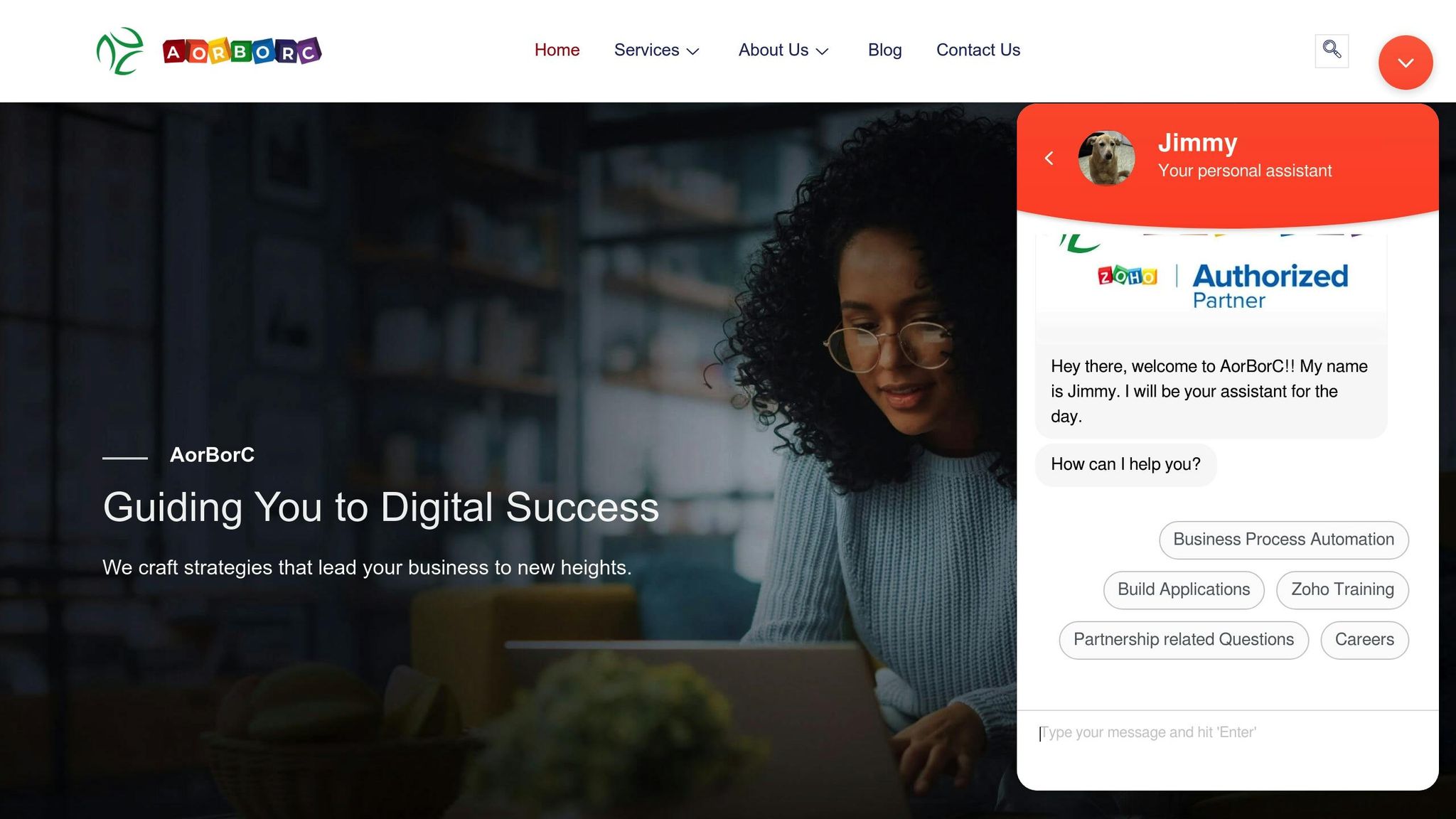
AorBorC Technologies tackles ERP user adoption challenges head-on with a set of targeted strategies designed to address specific risks. With over a decade of experience as a trusted Zoho partner, the company has honed its expertise in overcoming the eight key obstacles that can hinder user adoption. From tailored training to post-launch support, AorBorC offers solutions that ensure a smooth transition and long-term success.
One of the standout features of AorBorC’s approach is its focus on customized training programs. Instead of relying on generic instructions, the company provides role-specific training sessions led by Zoho Certified Developers. These sessions, which include advanced Deluge scripting, are tailored to meet the varying needs of different user groups, taking into account their job roles, technical skills, and preferred learning methods.
Change management is another critical part of the equation. AorBorC recognizes that resistance to change often stems from fear, lack of involvement, or concerns about job security. To counter this, they implement proven change management strategies, emphasizing transparent communication and employee involvement. As change management experts David K. Carr, Kelvin J. Hard, and William J. Trahant have observed:
"Experience shows that the greater employee involvement in the change, the greater the positive response in understanding the compelling need for the change and the sharing of the vision."
AorBorC incorporates this wisdom by actively involving employees in the design and rollout of ERP systems. This inclusive approach not only boosts engagement but also minimizes resistance, paving the way for higher adoption rates.
When it comes to customization and integration, AorBorC’s technical team shines. They specialize in customizing and integrating Zoho apps with both internal systems and third-party applications. Whether it’s connecting Zoho tools to websites, ERP platforms, or other digital systems, their seamless integration work eliminates the disruptions that often frustrate users.
Data migration is another area where AorBorC excels. Their team ensures a smooth transition of data through careful planning and execution, maintaining data integrity throughout the process.
Post-launch, AorBorC doesn’t simply step away. Their dedicated support services ensure that users continue to feel confident and productive with their new systems. This ongoing support addresses the common issue of insufficient post-launch assistance, helping organizations navigate challenges and maintain momentum during the critical adoption phase.
AorBorC’s broad service portfolio – which includes Zoho CRM customization, mobile app development, ERP implementation, and Zoho Creator application development – enables them to tackle multiple adoption risks at once. By providing leadership consulting and establishing clear communication channels, they ensure strong sponsorship and engagement at all levels. Their integrated approach prevents the fragmented support that can lead to confusion and resistance among users.
Through clear and proactive communication, AorBorC keeps everyone informed about upcoming changes and benefits. This strategy builds trust and buy-in early, laying the groundwork for successful adoption across the entire organization.
Conclusion
Tackling the challenges of ERP user adoption requires a proactive and focused approach. The eight risks we’ve discussed highlight key obstacles that can significantly impact the success of your ERP implementation. With statistics showing that 55% to 75% of ERP projects either fail outright or fall short of their objectives, addressing these risks early is crucial to avoid costly setbacks.
Starting early is the key to turning potential disruptions into seamless transitions. By identifying and resolving issues like training gaps, resistance to change, and communication breakdowns from the outset, you set the stage for meaningful user adoption. This approach prevents declines in productivity and morale before they become serious problems.
As Jalene Ippolito from ProjectLine puts it:
"ERP user adoption refers to employees using the ERP functionality to execute functional tasks and fulfill their responsibilities. When your team understands the importance of adopting the ERP and using it in their daily work routines, you’re far more likely to achieve your implementation goals and maximize the ROI from your ERP investment."
This insight underscores the importance of having a clear and actionable plan. Partnering with experts who understand both the technical complexities and the human factors of ERP implementation can make all the difference. Companies like AorBorC Technologies offer the expertise needed to address these challenges, providing tailored training programs and ongoing support to systematically mitigate each of the eight risks.
Protecting your ERP investment starts with a deliberate focus on risk management. With the right guidance and resources, you can turn a potentially challenging implementation into an opportunity for enhanced efficiency and growth. Success in ERP user adoption depends on expert strategies and targeted support.
FAQs
How can businesses effectively address employee resistance during ERP adoption?
To handle employee resistance effectively during ERP adoption, start by clearly explaining the purpose and benefits of the change. Consistent communication helps employees understand why the transition is happening and how it impacts them. Involving team members early in the process can also make them feel valued and give them a sense of ownership.
Offer thorough training and continuous support to ensure employees feel comfortable and capable when using the new system. Highlighting key team members as change champions can boost morale and encourage others to embrace the shift. Celebrate small milestones, address concerns quickly, and set achievable goals to maintain trust and keep the momentum going. A supportive and encouraging approach can make the entire process far less daunting for everyone.
What steps can businesses take to ensure smooth data migration during ERP implementation?
To make data migration during ERP implementation as smooth as possible, start by taking a close look at the quality and structure of your current data. From there, create a detailed migration plan that includes accurately mapping data fields and establishing solid data governance practices. It’s also important to assign clear roles and responsibilities to your team to ensure everyone knows what they’re accountable for.
Testing is a step you can’t afford to skip. Conduct thorough testing at every stage of the migration process to catch and fix issues early. Before going live, double-check that the data is both accurate and complete. Starting your planning early and keeping communication open among all stakeholders can go a long way in reducing risks and setting the stage for a successful migration.
Why is ongoing support crucial after launching an ERP system, and what does it involve?
After an ERP system goes live, ongoing support plays a key role in ensuring it keeps meeting your business needs, runs smoothly, and adjusts to any changes over time. Without the right support in place, problems can linger, users may become frustrated, and the system’s overall performance could take a hit.
Support often involves technical help, regular training sessions to keep users informed, and system monitoring to catch and fix performance issues early. Having clear communication channels is equally important, allowing user concerns to be addressed quickly and updates or tweaks to be implemented as needed. This proactive approach ensures businesses get the most out of their ERP system and stay on track for long-term success.